


Builder gel at a glance
- Builder gel is selected to reinforce or construct nail architecture, not simply add color.
- The term covers formulas with different flexibility, viscosity, approved uses and removal methods.
- Product strength cannot compensate for poor preparation, skin contact, incomplete curing or unbalanced architecture.
- The correct system includes preparation, base, builder, compatible lamp, finish and maintenance protocol.
- Professional selection starts with the natural nail and service goal, not the thickest product.
What builder gel is designed to do
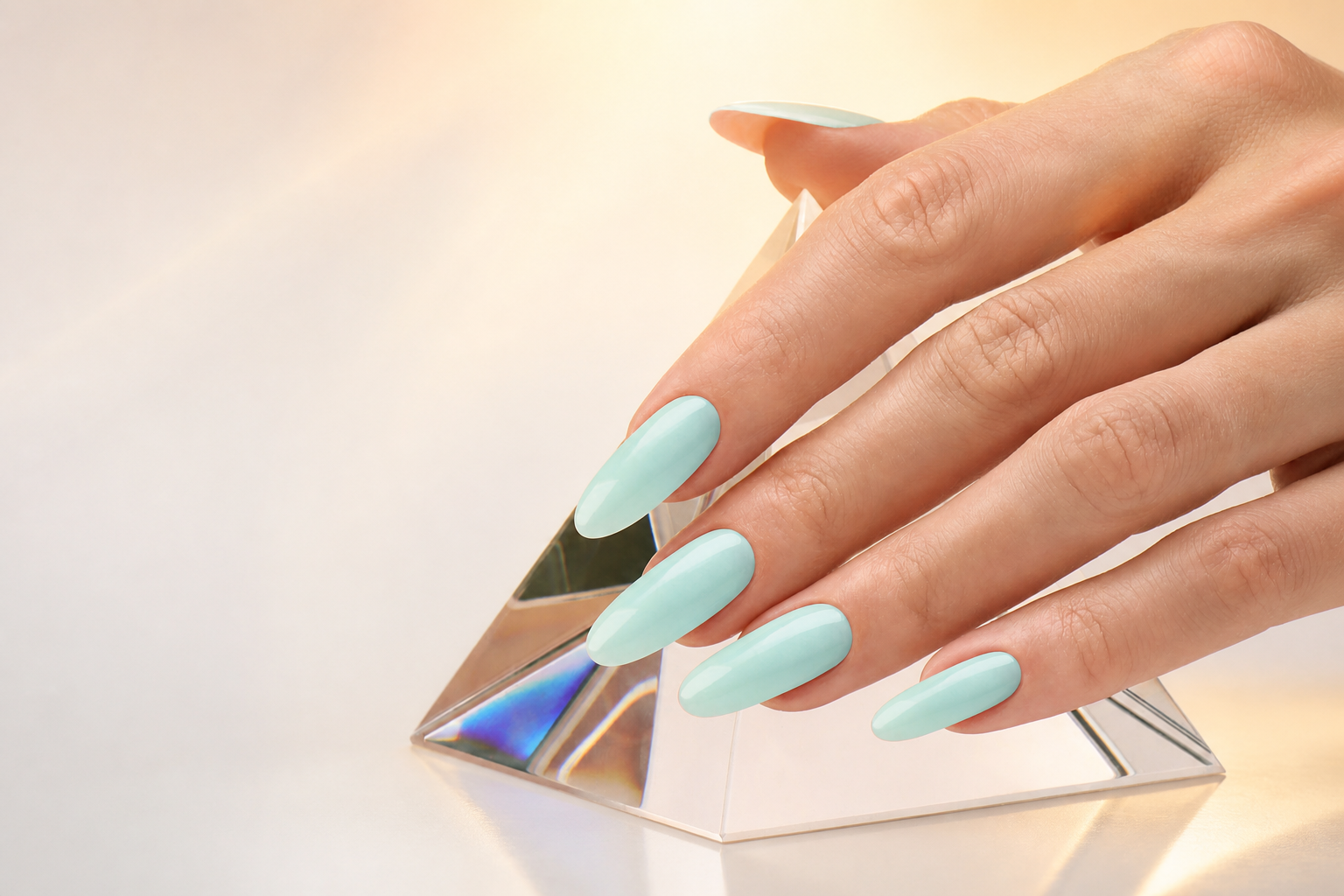
Builder gel creates controlled thickness and shape over a natural nail or extension foundation. Unlike gel polish, which primarily adds color, builder gel can reinforce a stress area, correct surface imbalance, support natural length or construct an approved extension.
The name does not describe one standardized chemistry or mechanical property. Products sold as builder gel can differ in cured rigidity, flexibility, toughness, pigmentation, viscosity, adhesion system and removal. Read the exact label, technical directions and SDS rather than assuming category language supplies the complete protocol.
Builder gel is also not a treatment for thin, damaged or diseased nails. Product may improve the cosmetic structure of a suitable nail, but it cannot diagnose or restore living tissue.
Builder gel, hard gel and rubber base are not interchangeable
Some builder gels are flexible enough for short natural-nail overlays. Others are file-off structural gels designed to retain shape through longer overlays and extensions. Rubber base generally belongs to a more flexible base category, while hard gel usually describes a rigid file-off system.
Marketing terms overlap between brands. Compare approved service, cured behavior and removal rather than relying on one adjective. The full decision table is in Builder Gel vs. Hard Gel vs. Rubber Base.
Assess the natural nail and service boundary
Inspect nail thickness, flexibility, growth direction, sidewalls, free-edge condition, previous damage and existing product. View the nail from top, side and end positions. Ask about occupation, repetitive hand use, desired length and maintenance history.
Postpone cosmetic service for pain, inflammation, open tissue, suspected infection or an unexplained nail change. Refer appropriately without diagnosing. Do not hide a questionable condition under an opaque builder shade.
Preparation should remove nonliving tissue and surface contamination without thinning the plate. More abrasion is not stronger preparation. Review How to Prepare the Nail Plate Without Over-Filing.
Select a complete compatible system
Define whether the service is a short overlay, reinforcement, architectural correction or extension. Confirm that the exact builder gel supports that use and intended length. Then identify its required preparation, base, lamp, cure schedule, top coat and removal method.
| Decision | Question to verify |
|---|---|
| Service | Is the product approved for an overlay, correction or extension? |
| Natural nail | Does cured flexibility suit the nail and requested length? |
| Application | Can the technician control the viscosity and working window? |
| Curing | Which compatible lamp, thickness and schedule are specified? |
| Maintenance | Is the product file-off or verified soak-off? |
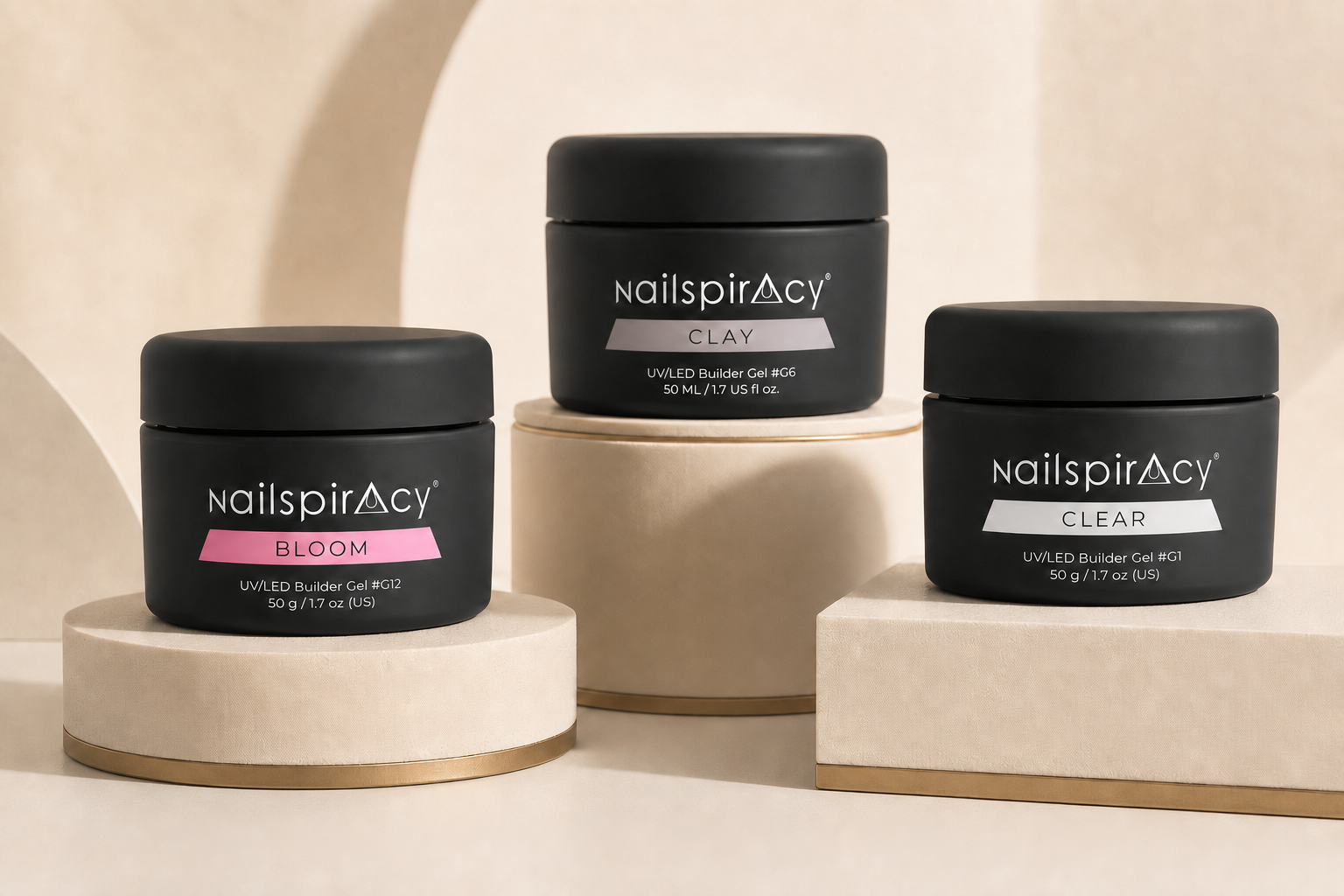
For Nailspiracy systems, compare the flagship HEMA-free, acid-free ICONIC line with the everyday salon ESSENTIAL workflow in ICONIC vs. ESSENTIAL Builder Gel. HEMA-free does not mean acrylate-free or allergy-free; see the HEMA-Free Builder Gel Guide.
Viscosity controls movement, not cured strength
Viscosity describes resistance to flow before curing. A lower-viscosity product generally levels faster, while a higher-viscosity product generally holds placement longer. These labels are brand-relative rather than universal measurements.
Temperature, product amount, nail angle and brush movement change application behavior. A gel can be easy to level and difficult to keep away from the sidewalls, or stable at placement and slower to smooth. Neither behavior automatically predicts adhesion or cured strength.
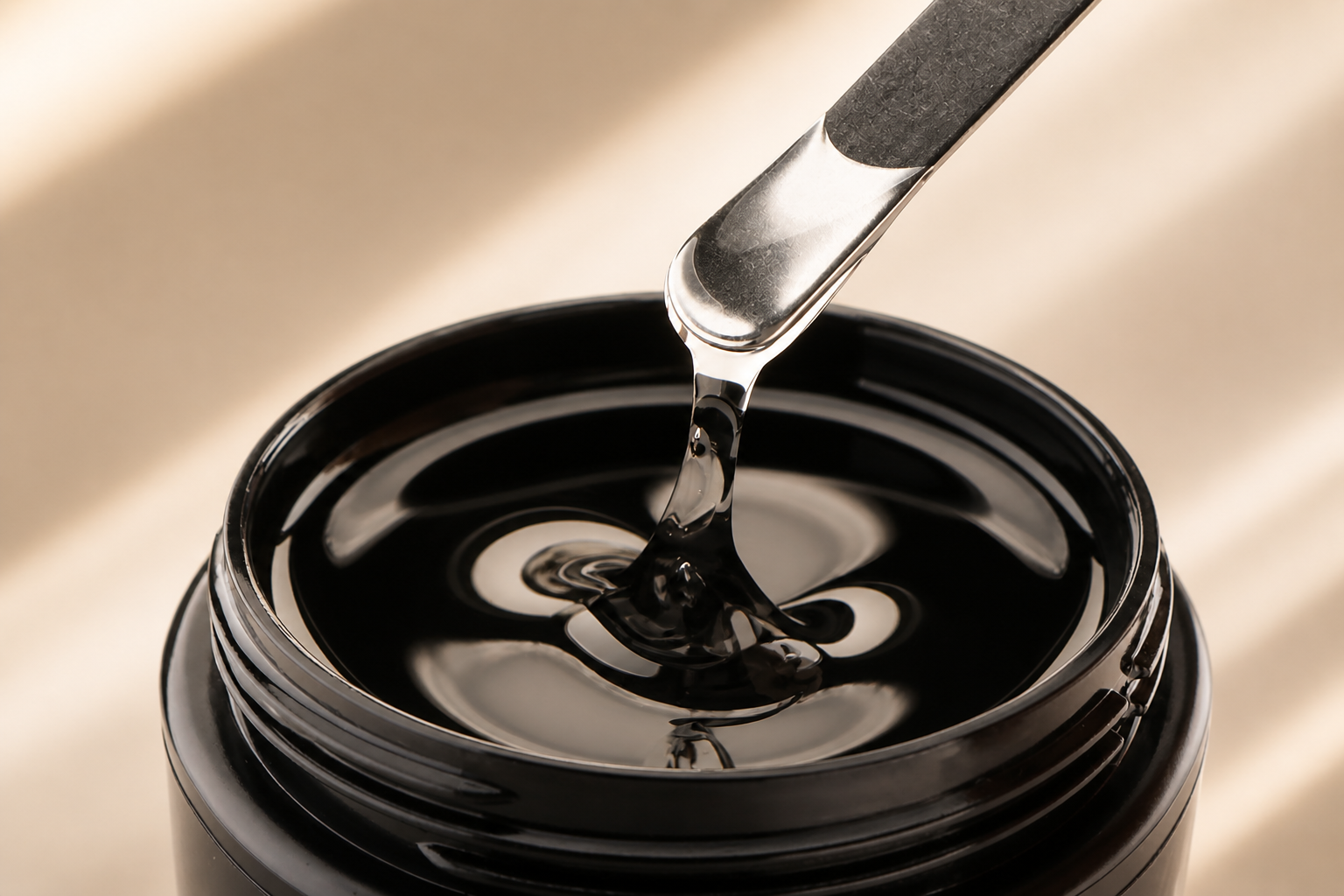
Use How to Choose Builder Gel Viscosity to match working control with the intended service.
Choose between an overlay and extension
An overlay reinforces the natural nail at its existing length. An extension creates new length beyond the free edge and therefore introduces additional leverage. The extension needs architecture, attachment area and material performance appropriate to that load.
Do not add length when the actual goal is reinforcement. Conversely, do not stretch an overlay product beyond the extension limits supplied by its manufacturer. Compare both services in Builder Gel Overlay vs. Extension.
When using molded forms, select a formula approved for that method and control material inside the form. The complete builder-gel protocol is in Builder Gel with Dual Forms.
Build architecture as one connected structure
The apex is the highest structural area, but it cannot be evaluated alone. It must transition into the cuticle area, sidewalls, upper and lower arches and free edge. Position and prominence change with natural-nail length, extension length, shape and growth direction.
More product does not automatically create greater strength. A bulky apex with weak sidewalls or a heavy free edge remains unbalanced. Inspect top, side and end views before curing. Use How to Build a Correct Nail Apex for the full framework.
Apply builder gel with controlled exposure
-
Prepare conservatively
Remove nonliving tissue and contamination without thinning the nail.
-
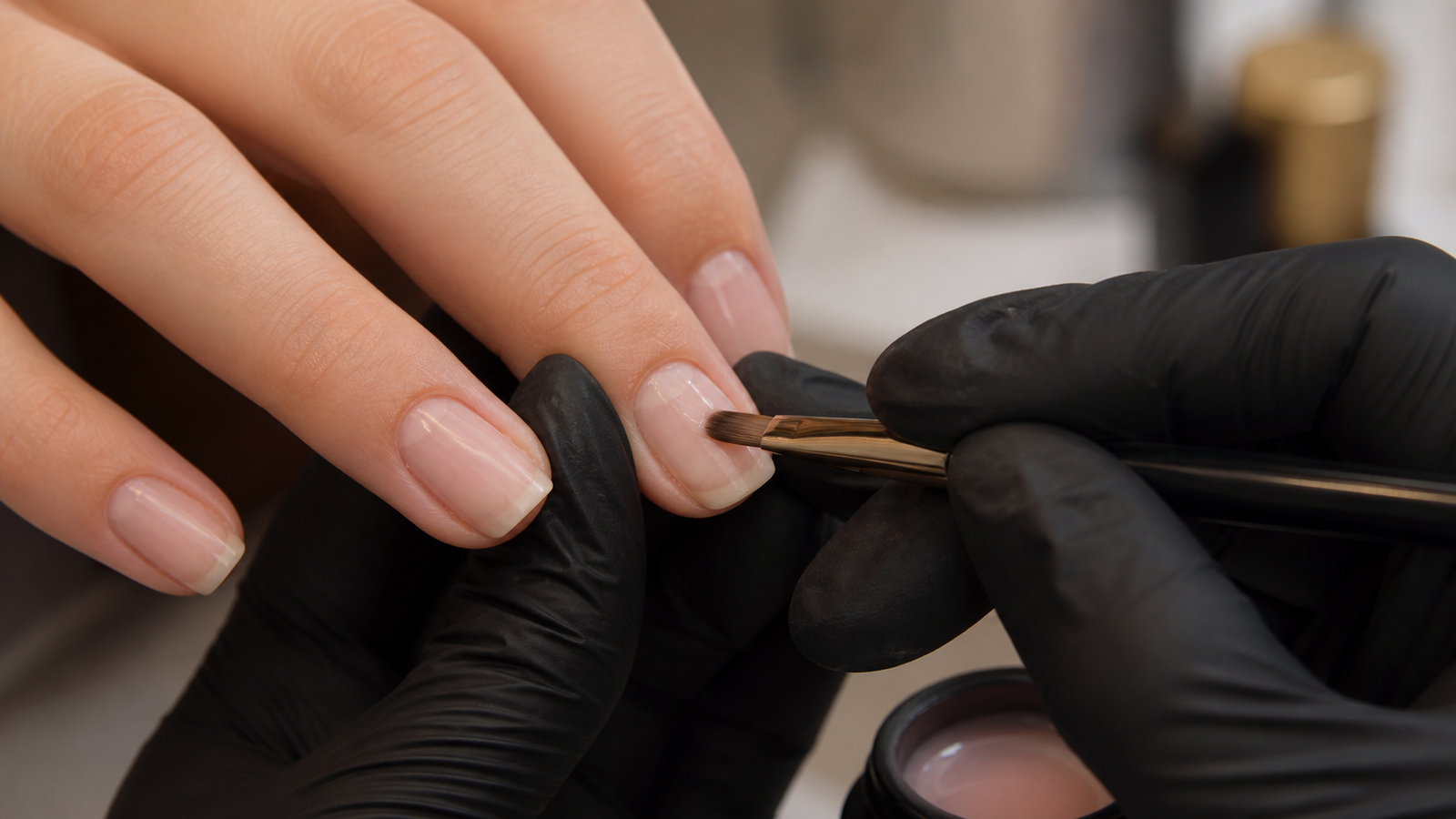
Apply the specified foundation
Use only compatible prep and base products at the instructed amounts.
-
Place structural volume
Guide product toward the stress area while keeping margins thin and clean.
-
Inspect every view
Confirm centerline, apex, sidewalls and free-edge thickness before curing.
-
Prevent skin contact
Remove uncured product from skin before the hand enters the lamp.
Do not chase flooding with an e-file after curing. Control product quantity, hand position and timing before exposure.
Cure with the compatible lamp and specified thickness
A hard surface does not prove complete polymerization at depth. Lamp wavelength and energy must match the photoinitiator system, while product thickness, pigmentation and hand position must remain within the validated protocol.
Do not substitute lamps based on wattage alone or shorten the full cure because a flash cure stabilized the surface. Keep thumbs positioned correctly and maintain the lamp according to manufacturer instructions.
Polymerization releases heat. Product mass, reaction rate and nail condition affect the client's sensation. Never require a client to tolerate pain. Review Builder Gel Heat Spikes.
Diagnose lifting and structural failures by evidence
Lifting is separation at an interface, not one universal product problem. Record whether it begins at the cuticle, sidewall, center, free edge or between layers. Note when it appeared, which material remained attached and whether one nail or the complete set is affected.
| Failure | Investigate first |
|---|---|
| Cuticle lifting | Residual tissue, contamination, flooding, thick margins |
| Sidewall lifting | Skin contact, preparation, product movement |
| Free-edge separation | Impact, leverage, material mismatch, edge condition |
| Stress crack | Length, apex, sidewalls, insufficient structure |
| Soft or unstable product | Thickness, pigment, lamp compatibility, cure schedule |
Do not change every variable simultaneously. The complete location-based diagnosis is in Why Builder Gel Lifts.
Rebalance growth and remove product by system
Natural-nail growth shifts the original apex forward and increases free-edge leverage. Maintenance is therefore a structural rebalance, not only filling the visible cuticle gap. Remove all lifting, reduce displaced bulk, correct length and rebuild architecture.
Identify whether the exact product is file-off or manufacturer-approved soak-off. Never peel, pry or scrape resistant material. During file-off reduction, control bit, pressure, speed, heat and remaining thickness.
Use Builder Gel Removal and Maintenance for the professional return, rebalance and complete-removal protocol. Individualized services are available through Nail Art Department.
A complete professional builder gel framework
- Define the service goal before selecting product.
- Assess nail condition, flexibility, growth direction and attachment area.
- Confirm formula, compatible base, lamp, cure and removal.
- Choose viscosity the technician can control without skin contact.
- Build architecture for the actual length and shape.
- Document the exact system and application.
- Evaluate the returned set and adjust one evidenced variable at a time.
A professional builder-gel service is not one application trick. It is a repeatable chain of assessment, material control, exposure prevention, curing and maintenance.
For professional salon services, finished results and signature nail art, visit Nail Art Department in Hallandale Beach, Florida.
Sources and further reading
Professional education only. Follow the exact product label, SDS, compatible lamp, application thickness, removal method and local licensing requirements. Keep uncured gel away from skin and do not work over contraindicated nails or tissue.